




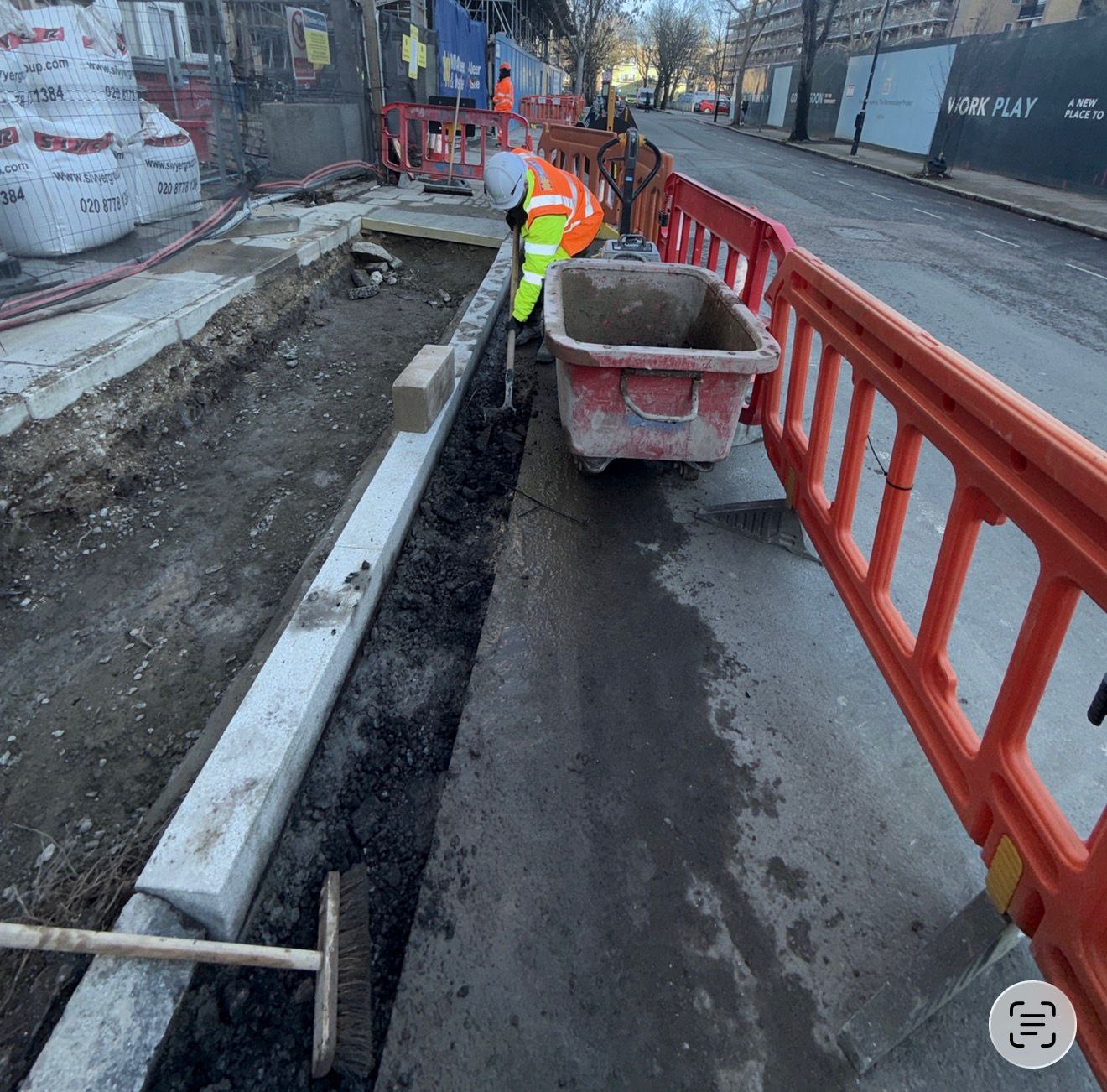
The construction sector continues to be the most dangerous industry in Great Britain, with the highest number of workplace deaths recorded in the latest official statistics.
According to the Health and Safety Executive (HSE), 35 construction workers were killed in work-related incidents between April 2024 and March 2025, the highest total of any industry. 
Overall, 124 workers across all sectors lost their lives in workplace accidents during the same period, a figure broadly in line with pre-pandemic levels despite a small decrease from the previous year. 
Falls from height remain the leading cause
Official data shows that falls from height were the most common cause of fatal injuries, accounting for more than a quarter of all worker deaths in 2024–2025. 
This type of accident has consistently been the main cause of workplace fatalities for more than two decades. 
Construction still the most dangerous sector
Despite long-term improvements in safety, construction continues to record the highest number of deaths each year. The latest figures confirm that the industry remains the most fatal sector by total worker deaths. 
The five-year average for fatal injuries in construction stands at around 40 deaths per year, showing that the latest figure of 35 still reflects a persistent and serious risk in the sector. 
Public deaths linked to work incidents
Workplace dangers also affect members of the public. In 2024–2025, 92 members of the public were killed in incidents linked to work activities across Great Britain. 
Long-term trend shows progress but risks remain
Over the long term, workplace fatalities have fallen significantly. Around 495 workers died each year in the early 1980s, compared with 124 in 2024–2025. 
However, recent figures suggest that progress has slowed, with fatality levels remaining broadly stable in the last decade. 
Ongoing concerns over safety and working conditions
Safety experts continue to warn that construction sites present serious risks, especially for workers at height, those operating heavy machinery, and self-employed contractors who may have fewer protections.
Campaigners and industry groups have repeatedly called for stronger enforcement, better training, and improved protections for workers, particularly in high-risk trades.
