




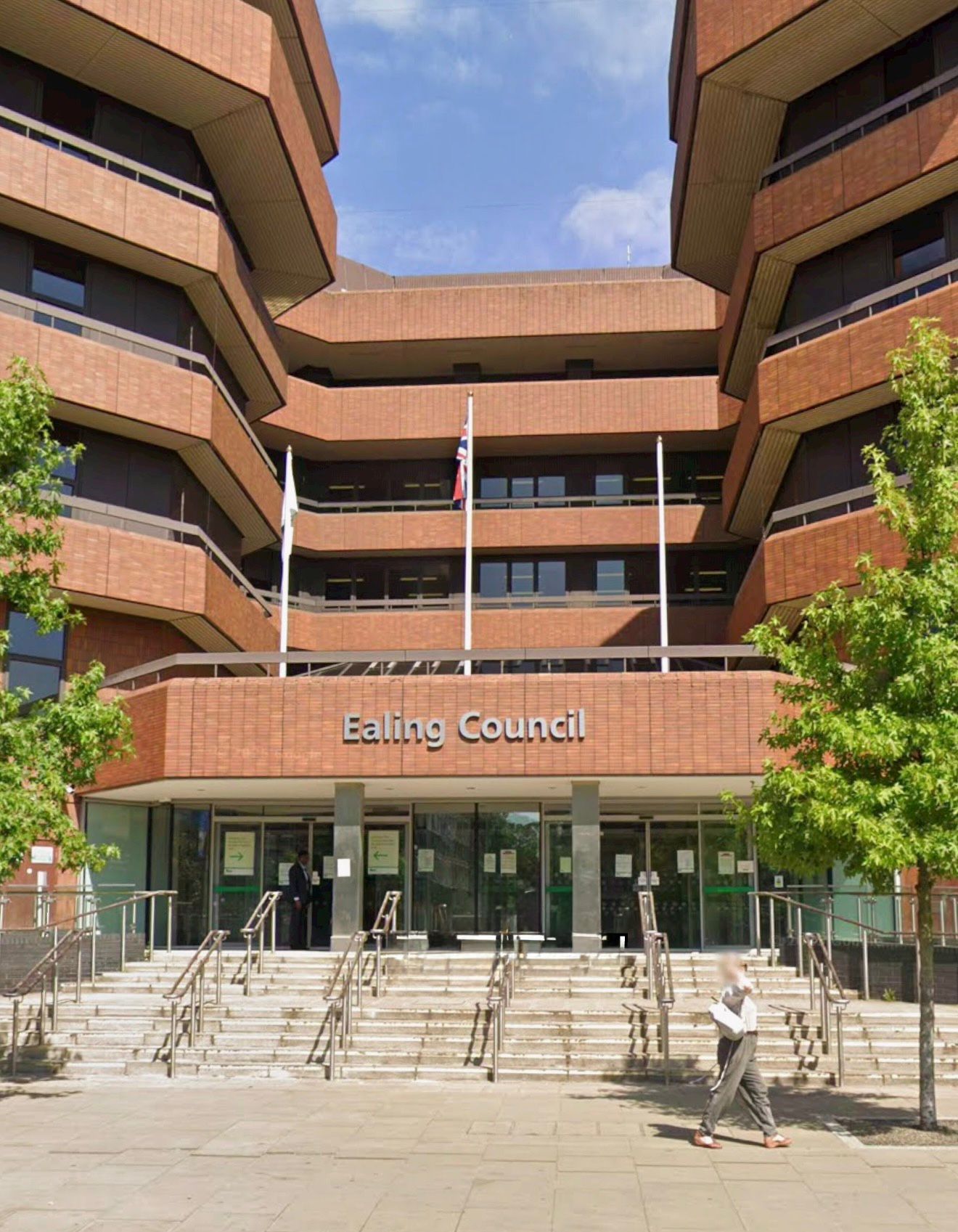
Households across Ealing will see council tax bills rise by nearly 5% as the local authority rolls out a major package targeting fly-tipping, crime and antisocial behaviour.
The west London borough is deploying a £3.8m investment plan that includes specialist waste enforcement officers, a network of surveillance cameras, and extended hours at local playgrounds.
Annual bills will jump by amounts ranging from £51.58 for Band A properties to £154.75 for Band H homes under the 4.99% increase, which combines a standard 2.99% rise with a 2% social care levy.
A Band D property – the most common council tax band – will pay an additional £77.38 per year, bringing the total to £1,628.02 annually. Band C households face a £68.78 increase to £1,447.13, while Band E properties will see bills climb by £94.57 to £1,989.79.
The Labour-controlled authority says the extra revenue will fund new “tidy teams” dedicated to combating illegal dumping, with £510,000 allocated specifically for fly-tipping enforcement.
A separate £860,000 will pay for 50 remote surveillance cameras positioned across Ealing’s seven towns, supported by uniformed patrol officers who will provide a visible presence on streets.
Councillor Steve Donnelly defended the increase, stating the investments were made possible through “year after year” of financial efficiency at the council.
The authority is also launching a trial waste reduction scheme worth £540,000, featuring mobile “mega skips” that will rotate through different neighbourhoods to encourage recycling and reduce landfill waste.
Street lighting improvements worth £200,000 are planned to boost safety during evening hours, while enforcement teams will target illegal houses in multiple occupation (HMOs) and vehicles abandoned on public roads.
Green spaces are receiving significant attention in the budget, with £1.6m earmarked for playground refurbishments throughout the borough. New floodlighting will be installed at play areas, allowing facilities to remain open later during autumn and winter months when daylight hours are reduced.
Labour council leader Peter Mason said the spending reflects feedback from local people. “Residents tell us they want a borough that is safe, clean and fair,” he stated, adding that funds would support street cleanliness, tackle antisocial behaviour, and provide youth activities.
The budget proposals require approval from the full council before implementation. Once ratified, residents can expect to see the new enforcement measures and facility improvements rolled out in the coming months, with the council tax changes taking effect from April.
