




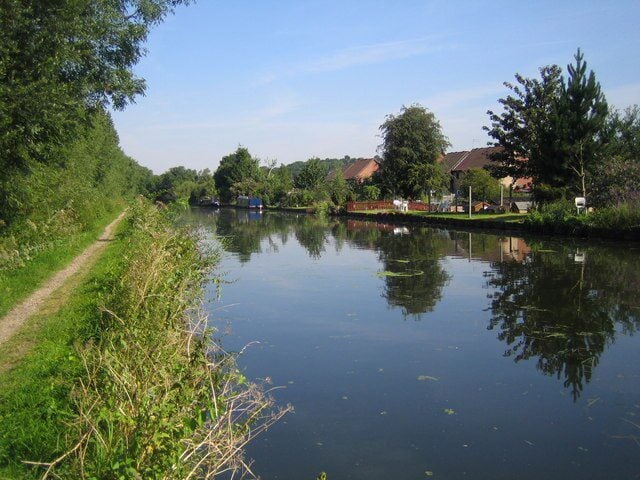
Victorian-era canals built to transport industrial goods are being reinforced to tackle twenty-first century water challenges, with England and Wales’ 2,000-mile network now viewed as critical infrastructure for moving supplies between drought-hit and flood-prone regions.
The Canal and River Trust is receiving £6.5 million in government funding to strengthen embankments, culverts and reservoirs across the waterway system as extreme weather patterns expose vulnerabilities in structures designed two centuries ago for entirely different climate conditions.
Water Minister Emma Hardy emphasised the canals’ status as precious community assets delivering environmental, social and economic benefits. She stated the investment will help future-proof the network against climate change challenges whilst maintaining safe and reliable operations for the public.
The funding comes as experts recognise the potential for navigable waterways to function as domestic water transfer systems, moving supplies from areas with excess to regions experiencing shortages—a capability never envisioned when the industrial-age network was originally constructed.
Campbell Robb, Chief Executive of the Canal & River Trust, noted that whilst built during the industrial era, a resilient canal network can help address modern societal challenges. He highlighted that extreme weather events and rising maintenance costs have placed additional strain on the nation’s canal infrastructure, with the funding recognising the important role these waterways can play in building resilience.
Six major reservoir systems will receive resilience improvements to ensure continued fresh water supply into canal networks. These facilities serve the Birmingham Canal Navigations, Grand Union Canal, Huddersfield Narrow Canal, Leeds & Liverpool Canal, Peak Forest Canal and Staffordshire & Worcestershire Canal.
The emergency injection supplements the £52.6 million the Trust already receives annually from government sources. Without the additional resources, essential maintenance work on the aging system—used by millions each year for recreation and nature access—would face delays that could compromise both public safety and operational capacity for boats and visitors.
Targeted projects include infrastructure improvements on the Peak Forest Canal, Tame Valley Canal, and the lift bridge linking London Docklands to the River Thames. The strategy focuses on addressing structural weaknesses before they escalate into expensive emergency repairs, reducing long-term costs to taxpayers.
The gap between Victorian design specifications and current climate realities has created mounting pressure on the historic network. Weather extremes now routinely exceed the parameters the original engineers could have anticipated when planning structures intended primarily for commercial barge traffic.
Implementation of the funded projects will proceed according to the Trust’s assessment of critical infrastructure priorities and public safety requirements. The organization will determine which sections of the 2,000-mile network require immediate attention based on structural condition surveys and climate vulnerability assessments.
The investment signals government recognition that canal preservation extends beyond heritage concerns, positioning the waterway system as functional infrastructure relevant to contemporary water security challenges facing the nation.
