



Capital records 97 killings in 2025 as youth violence drops sharply, though racial disparities remain acute
London has been described as “one of the safest cities in the western world” following a significant reduction in homicides, with the capital recording 97 killings in 2025 compared with 109 in 2024 and 153 in 2019.
The homicide rate for 2025 stood at 1.1 per 100,000 residents, lower than Berlin (3.2), Brussels (2.9) and Paris (1.6). London also compares favourably with major North American cities, where rates include 2.8 in New York, 5.6 in Los Angeles, 10.5 in Houston and 12.3 in Philadelphia per 100,000 population.
The decline represents a considerable shift from previous years. A decade ago, London recorded 120 homicides, whilst earlier totals include 181 in 2005 and a peak of 216 in 2003. This reduction has occurred as the capital’s population has grown to 9.1 million, up from 8.1 million in 2010.
Killings of under-25s have fallen particularly sharply, dropping from a peak of 69 in 2017 to 18 in 2025. In 2017, the homicide rate for under-25s was 2.51 per 100,000, compared with 1.65 for adults. By 2025, adults had a homicide rate of 1.1 per 100,000, while under-25s were at 0.65, meaning young people now face lower risk than older adults.
Mayor of London Sadiq Khan has attributed the improvement to a “public health” approach to tackling violence. He argues that addressing underlying causes of serious violence—including poverty and lack of opportunities—has been “key”, alongside the work of London’s Violence Reduction Unit, established in 2019.
The unit takes a longer-term approach, with staff based in police stations who engage with young people after arrest. These staff are reported to have a 90% success rate in diverting people away from crime.
“The evidence shows that violent crime rates are proportionately lower in London than in any other UK city,” Khan stated. He added: “The evidence tells a different story from what the politicians such as Donald Trump, Reform and the Conservatives would have you believe. We are liberal and diverse and also successful.”
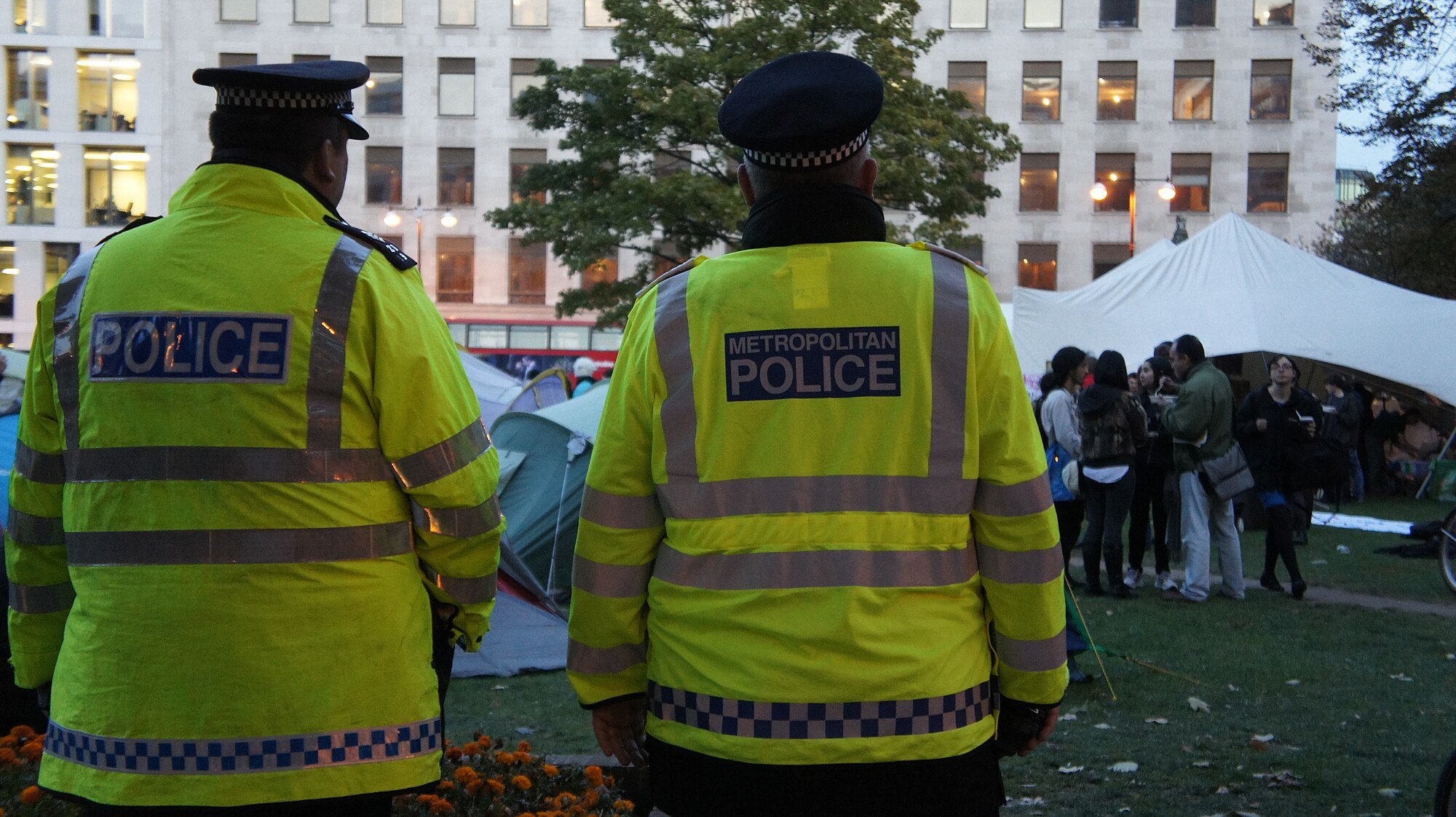
Commander Paul Brogden, the Metropolitan Police’s head of homicide, credited “better enforcement by police as well as better diversion” for the fall in killings. He suggested both approaches have “together worked” and pointed to a “street level cultural change” whereby people are less inclined to grab a knife to settle disputes.
According to Commander Brogden, roughly 50% of homicides are linked to drugs. Police have focused more on serious and organised crime “kingpins and dealers,” which he said is having an effect. “What we’ve seen is a shift … of younger people stepping back from violence,” he noted.
Officers have seized more guns and knives, whilst detectives have become increasingly adept at using data from suspects’ phones. “Everyone lives their lives on phones and the criminals are no different,” Commander Brogden commented, indicating the importance of digital evidence to investigations.
The decline in homicide has coincided with a fall in the use of stop and search, a controversial tactic that disproportionately targets innocent black people. “The days of the police doing broad stop and search sweeps of estates are over. We do much more targeted interventions,” Commander Brogden said.
He suggested that online drill videos in which people taunt one another—and which can trigger violence—are now fewer. Young people have also developed greater awareness of those running drugs networks who seek to exploit them. “No one gives away a free set of Adidas trainers for nothing,” he remarked, illustrating how apparent gifts can draw youths into criminal activity.
However, racial disparities in homicide victimisation remain a serious concern. Commander Brogden stated that young black men are up to 12 times more likely to be victims of murder than others. All eight teenagers murdered in London in 2025 were black, with two killed in shootings and six in stabbings.
Commander Brogden spoke of a “generational opportunity” to steer young black teenagers away from crime. He noted that some black communities are located in “tough areas of London” where there is “a lot of social deprivation, [lack of] opportunities for employment, to stay in education,” making it “a tough environment for these young kids.”
Addressing the issue of trust between police and communities, he asked: “How can we continue building trust … the police aren’t there to be feared, we are genuinely here to protect them and not just chase after and search them.”
The statistics contrast with claims from critics on the radical right, including Donald Trump, Reform and the Conservatives, who have portrayed London as having a serious crime problem. City Hall and the Metropolitan Police point to homicide trends and comparative rates as evidence that their approach is succeeding.
Trending
- Ambulances, a Synagogue Car Park and a Shadow of Foreign Interference: Inside the Golders Green Arson Investigation
- Woolwich Shooting: 14-Year-Old Eghosa Ogbebor Named as Victim After Fatal Attack
- Former Prison Officer And Seven-Strong Gang Jailed For 25 Years After Smuggling Drugs And Phones Into London Prison
- Lambeth Man Jailed For 15 Years After Being Found Guilty Of Raping Girl Under 13 In Her Own Home
- Family Of Camden Shooting Victim Nahom Medhanie, 26, Pays Tribute As Met Police Appeal For Witnesses
- London Teen Pleads Guilty To £140k High Street Theft Spree Spanning Nearly Two Years — Crown Court Referral On The Table
- Victim, 26, Identified Following Fatal London Stabbing
- Man Shot Dead While Sitting In Parked Car In Camden As Metropolitan Police Launch Murder Investigation
London Homicides Fall to Lowest Rate Among Major Western Cities
SONY DSC

James Whitmore
Covers UK politics, government policy, and parliamentary affairs with a focus on accuracy, balance, and public accountability.
Add A Comment