



London’s suburban zones are experiencing a rental boom as increasing numbers of tenants bypass central districts in favour of affordable homes further from the capital’s core.
Property analysts and letting agents across the city are witnessing heightened interest in Zones 4, 5, and 6, with neighbourhoods previously overlooked now drawing substantial tenant enquiries. The shift marks a notable change in London’s residential landscape, with areas once dismissed as too distant now positioning themselves as viable alternatives for renters.
Suburban Boroughs Recording Increased Tenant Interest
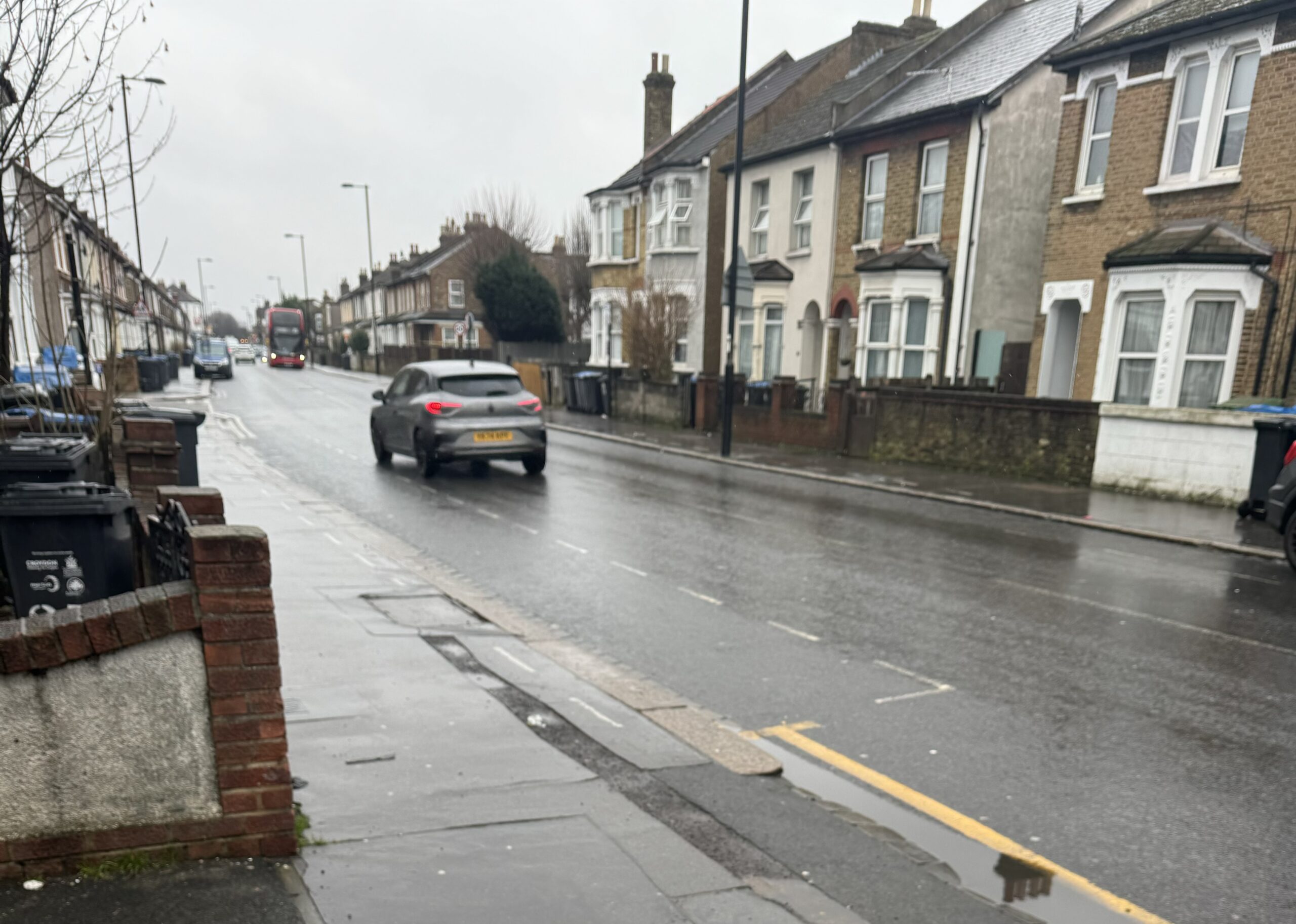
Barking, Croydon, Harrow, and Enfield are among the outer boroughs reporting stronger rental demand. Tenants moving to these locations cite willingness to endure extended commutes as a trade-off for reduced monthly expenditure and additional living space.
Rather than compromising on proximity to central zones, many renters are prioritising locations near reliable Overground and fast train connections, effectively abandoning inner London altogether in their property searches.
Transport Networks Register Changing Passenger Flows
Morning travel data indicates shifting commuter patterns across the capital’s transport system. Whilst central London continues to see busy peak-hour traffic, journey origins are increasingly concentrated in outer areas.
Several stations located in suburban zones have recorded consistent growth in morning passenger volumes, suggesting a sustained pattern rather than temporary fluctuation.
Multiple Factors Driving Residential Relocation
The migration toward outer zones stems from several converging pressures. Rental costs in Zones 1 and 2 have climbed significantly, whilst energy and utility expenses have added further financial strain on city centre residents.
Flexible working policies introduced by many employers have reduced the necessity for daily central London attendance, making longer commutes more manageable for professionals. Additionally, demand for properties with more rooms and square footage has intensified, with outer boroughs better positioned to meet these requirements.
Property sector observers indicate the trend shows no signs of reversing provided central rental prices maintain their current trajectory into 2026.
Infrastructure and Services Face New Pressures
Urban planning specialists anticipate the population shift will generate several consequences for outer London. Local services in suburban communities may experience increased demand as resident numbers grow, potentially straining existing provision.
Transport networks serving outer zones could face capacity challenges as passenger numbers continue rising. The demographic and economic composition of outer boroughs may undergo transformation, whilst central districts could see population density decline.
Despite central London retaining appeal for certain demographics, affordability has emerged as the dominant consideration determining residential choices across the capital. The ongoing redistribution of London’s rental population suggests outer zones will continue developing as established residential centres rather than merely serving as overspill areas.
Trending
- Ambulances, a Synagogue Car Park and a Shadow of Foreign Interference: Inside the Golders Green Arson Investigation
- Woolwich Shooting: 14-Year-Old Eghosa Ogbebor Named as Victim After Fatal Attack
- Former Prison Officer And Seven-Strong Gang Jailed For 25 Years After Smuggling Drugs And Phones Into London Prison
- Lambeth Man Jailed For 15 Years After Being Found Guilty Of Raping Girl Under 13 In Her Own Home
- Family Of Camden Shooting Victim Nahom Medhanie, 26, Pays Tribute As Met Police Appeal For Witnesses
- London Teen Pleads Guilty To £140k High Street Theft Spree Spanning Nearly Two Years — Crown Court Referral On The Table
- Victim, 26, Identified Following Fatal London Stabbing
- Man Shot Dead While Sitting In Parked Car In Camden As Metropolitan Police Launch Murder Investigation
London’s Outer Boroughs Become Rental Hotspots as Tenants Abandon City Centrep
London outer boroughs rent is rising as more tenants move away from the expensive city centre in search of affordable homes and more space.

James Whitmore
Covers UK politics, government policy, and parliamentary affairs with a focus on accuracy, balance, and public accountability.
Add A Comment