




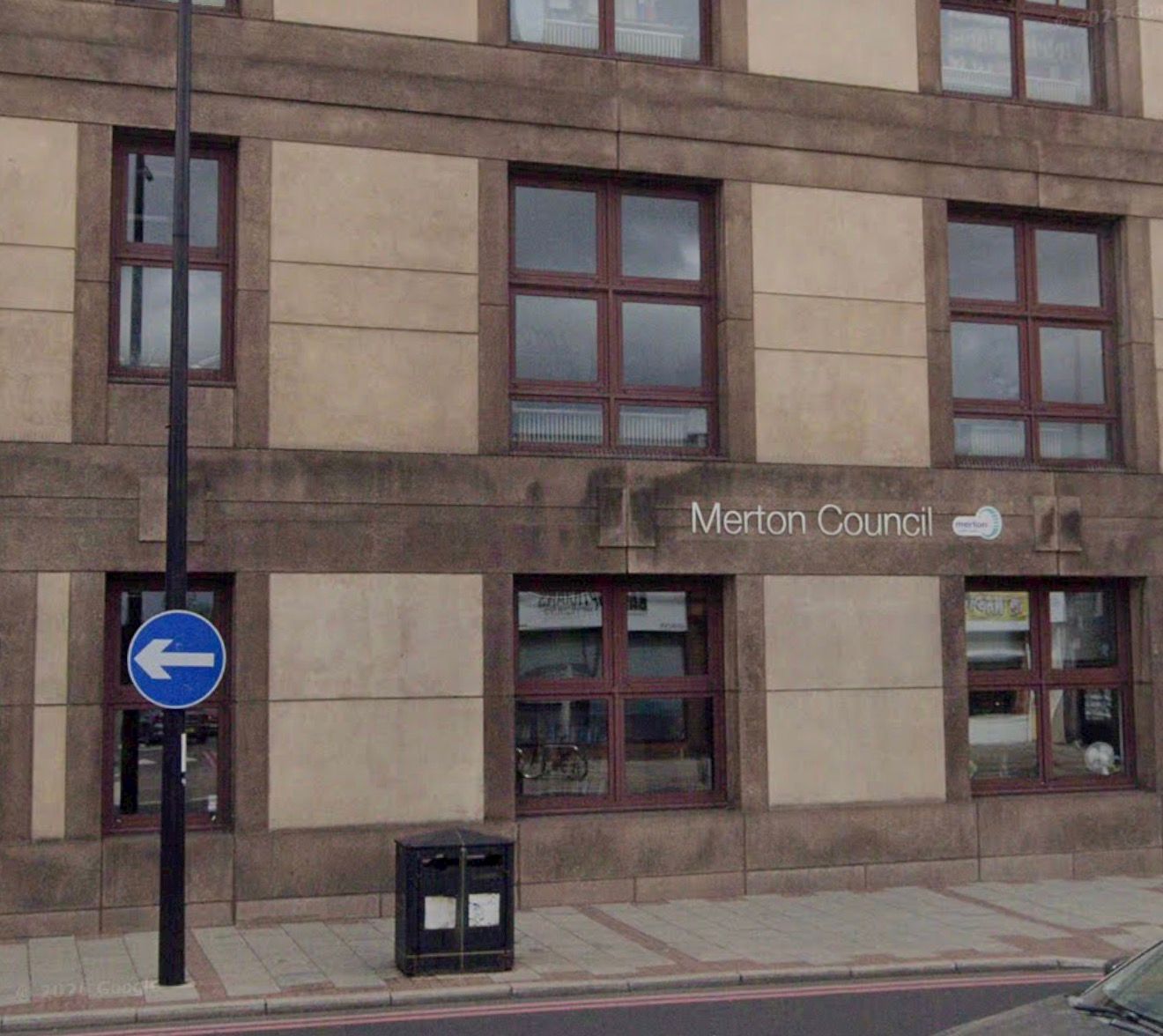
A south London borough will implement council tax increases and millions in service cuts after being classified by the government as having low needs and high resources, despite projecting a multi-million pound budget shortfall.
Merton Council is proposing to raise council tax by 4 per cent from April, while simultaneously cutting £7.2 million from services across the borough, as it grapples with what it describes as an unfavourable funding settlement under the government’s new Fair Funding Review.
The authority has been categorised as a “low-needs, high-resourced” borough under the funding overhaul, which takes effect in April. This classification assumes Merton will raise council tax by the maximum 5 per cent annually for the next three years – significantly more than the council plans to actually collect.
Because the Labour-led council has opted for a 4 per cent rise instead of the government’s assumed 5 per cent, it will receive reduced grant funding. The formula calculates support based on presumed local tax income that exceeds what Merton will actually generate from residents.
This mismatch between government assumptions and local policy has created a projected £5.78 million wider funding gap than originally estimated by 2029/30, forcing the council to identify substantial savings.
Residents living in Band D properties – the benchmark used for council tax calculations – will see annual bills increase from £1,598.05 to approximately £1,661.97, adding around £64 to yearly costs. The rise consists of 2 per cent for general services and 2 per cent specifically ringfenced for adult social care.
The council noted that under the government’s Core Spending Power model, Merton residents should be paying £2,060 in 2026/27 if the maximum increase were applied – over £400 more than the proposed rate.
Council Leader Ross Garrod defended the increase, stating: “We promised to keep your bills as low as we can to help your family with the cost of living, and we have. Freezing the main element of council tax is a choice we have made as a Labour Council, on the side of hard working families in Merton.”
The administration highlighted that tax rates remain lower than surrounding boroughs and emphasised they had “frozen” the core element while only increasing the social care precept.
To balance the budget, the council has identified efficiency savings and reductions across multiple departments. Adult social care will contribute £2 million through measures including a £435,000 reduction from reviewing aftercare packages provided when patients leave hospital following mental health treatment, and £500,000 from deploying predictive artificial intelligence to manage demand and prevent hospital admissions.
Children’s services will be restructured to save £533,000 through social care team reorganisation, while support for children facing educational barriers through the Virtual School will be cut by £97,000. Youth participation and engagement programmes will also see reduced funding.
Administrative departments will undergo changes including a 35 per cent reduction to the in-house design studio payroll, reduced temporary staffing in building control, and the consolidation of complaints and information governance teams into a single unit.
Opposition Liberal Democrats have attacked the budget proposals as “panicked” and introduced without proper scrutiny. Councillor Anthony Fairclough criticised what he described as “inflation-busting increases to council services” occurring alongside claims of supporting residents with living costs.
“They are desperate to cover up the impact of massive cuts the government is forcing on them,” Fairclough told the Local Democracy Reporting Service. “The Liberal Democrats will continue to push for transparency and integrity in this budget whilst working to make Merton fairer and more affordable.”
When combined with projected 0.75 per cent housing growth, the tax increase is forecast to generate £134.2 million for local services, though this represents a smaller rise than last year’s proposed 4.99 per cent increase.
The budget will proceed through council scrutiny processes before final approval, with implementation scheduled for the start of the new financial year in April.
