



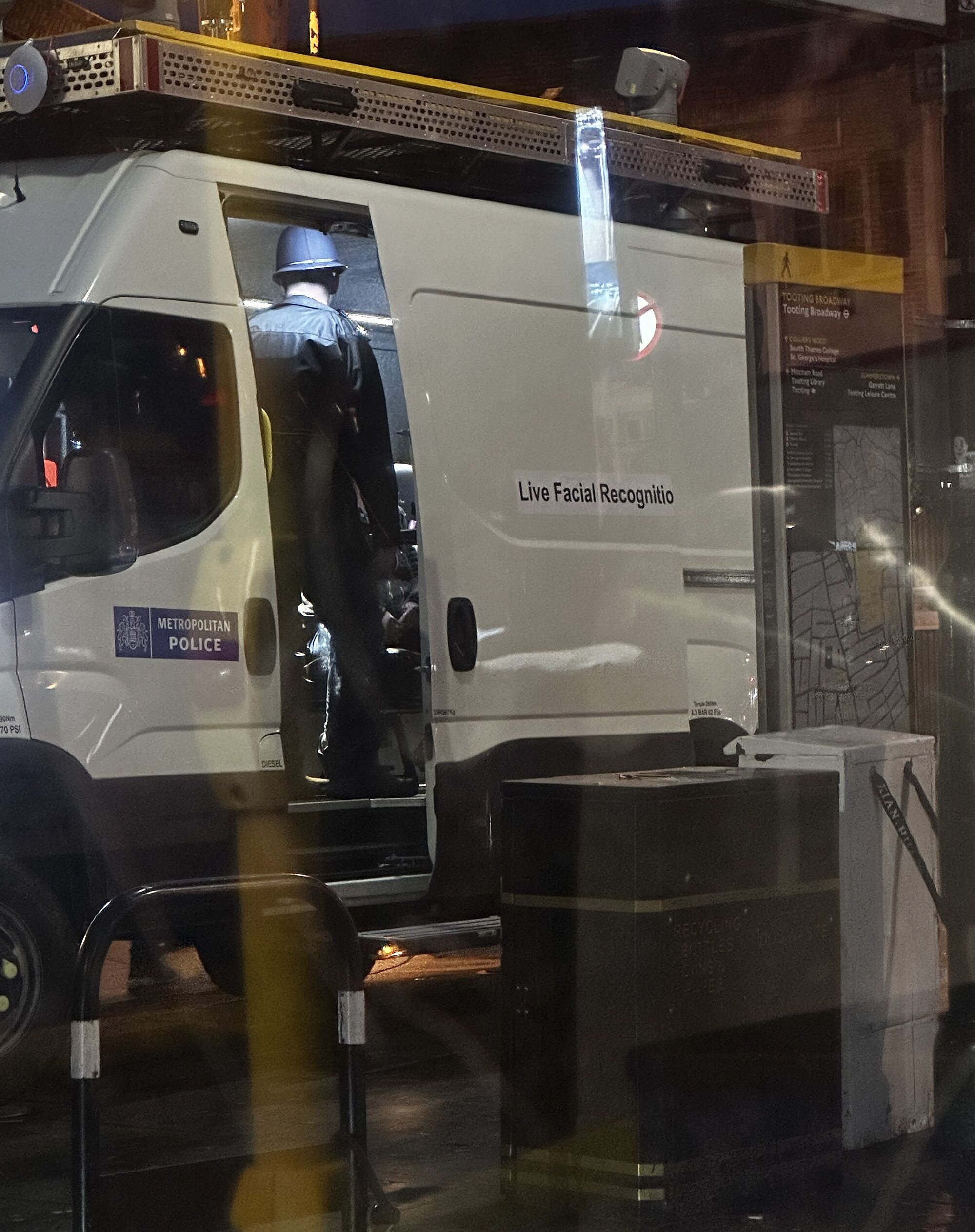
More than 100 wanted criminals have been arrested in the first three months of a facial recognition pilot scheme operating in Croydon, the Metropolitan Police has announced.
The Live Facial Recognition (LFR) pilot, which began in October 2025 in the Fairfield Ward area, has contributed to a 12% reduction in crime in the ward, including retail offences, violent crime, and sexual offences. According to figures from the force, an arrest is made on average every 34 minutes whilst the LFR system is in use during deployments.
One third of those arrested are suspected of violence against women and girls offences, including strangulation and sexual assault. Other arrest categories include individuals recalled to prison, burglary suspects, and those found in possession of an offensive weapon.
The pilot represents a departure from previous LFR operations. Cameras are mounted on existing street furniture, such as lamp posts, at two locations at the north and south ends of the high street, rather than relying on cameras fitted to vans. Camera feeds are monitored remotely, freeing up vans for use elsewhere and expanding the Met’s LFR capability.
Technology “Making an Impact”
Lindsey Chiswick, the Met and national lead for live facial recognition, said the pilot allows the force to “explore a different way of using facial recognition by operating it remotely and more efficiently”.
“The amount of arrests we have made in just 13 deployments shows the technology is already making an impact and helping to make Croydon safer,” Ms Chiswick stated. “Public support remains strong, with 85% of Londoners backing the use of LFR to keep them safe.”
The average time to locate wanted individuals using the Croydon pilot has reduced by more than 50% compared with earlier van-based LFR deployments, according to the Metropolitan Police.
Wider Impact Across London
Since the start of 2024, LFR deployments in Croydon have led to 249 arrests, of which 193 have been charged or cautioned. Across London as a whole, more than 1,700 dangerous offenders have been taken off the streets using LFR since the start of 2024, including individuals wanted for rape and child abuse, according to Ms Chiswick.
The force emphasised that three quarters of those arrested via the Croydon pilot live in Croydon, presenting this as evidence that LFR is being focused on local offenders in a crime hotspot area. Croydon was chosen for the pilot because of its crime levels and the success of previous LFR deployments there. There are currently no plans to extend the pilot to other locations.
Notable Arrests
Among those apprehended was a 36-year-old woman who had been unlawfully at large for over 20 years after failing to appear at court for an assault in 2004. Another arrest involved a 37-year-old registered sex offender found in possession of an unregistered mobile phone and accessing social media, constituting a breach of his Sexual Harm Prevention Order.
On 7 October 2025, Nilton Darame, aged 25, of Loughborough Street, Lambeth, was identified by static LFR cameras in Croydon. He was found to be in breach of electronic tag conditions related to an intentional strangulation and two counts of assault on an emergency worker alleged to have occurred on 8 September 2025. Darame was later sentenced at Croydon Crown Court on 8 January to 18 months’ imprisonment.
On 21 November 2025, Kastriot Krrashi, aged 35, of Dingwall Road, Croydon, was stopped by officers after being wanted on suspicion of breaching his conditions as a registered sex offender. He is due to appear at Wood Green Crown Court on 23 January for sentencing.
Safeguards and Evaluation
Cameras are only activated when officers are present and actively conducting a deployment, rather than recording constantly. During every operation, specialist LFR officers and neighbourhood teams remain on the street to engage with the public and respond to real-time alerts generated by the technology.
For each deployment, a bespoke, intelligence-led watchlist is created no more than 24 hours in advance, in line with Met policy, and is deleted immediately once the deployment concludes.
The pilot is scheduled to undergo a formal evaluation in the coming months to assess its effectiveness. The Metropolitan Police continues to organise engagement sessions with Croydon residents and councillors to explain how LFR works, describe its intelligence-led deployment approach, and outline safeguards intended to protect privacy and rights.
Trending
- Ambulances, a Synagogue Car Park and a Shadow of Foreign Interference: Inside the Golders Green Arson Investigation
- Woolwich Shooting: 14-Year-Old Eghosa Ogbebor Named as Victim After Fatal Attack
- Former Prison Officer And Seven-Strong Gang Jailed For 25 Years After Smuggling Drugs And Phones Into London Prison
- Lambeth Man Jailed For 15 Years After Being Found Guilty Of Raping Girl Under 13 In Her Own Home
- Family Of Camden Shooting Victim Nahom Medhanie, 26, Pays Tribute As Met Police Appeal For Witnesses
- London Teen Pleads Guilty To £140k High Street Theft Spree Spanning Nearly Two Years — Crown Court Referral On The Table
- Victim, 26, Identified Following Fatal London Stabbing
- Man Shot Dead While Sitting In Parked Car In Camden As Metropolitan Police Launch Murder Investigation
Metropolitan Police Hail Success of Facial Recognition Pilot as More Than 100 Arrests Made in Three Months

James Whitmore
Covers UK politics, government policy, and parliamentary affairs with a focus on accuracy, balance, and public accountability.
Add A Comment