




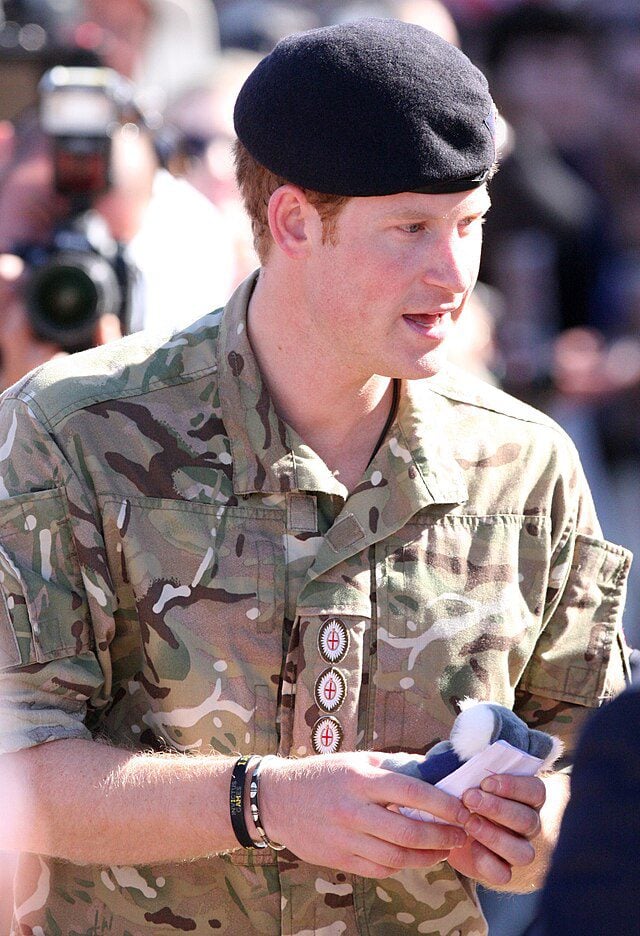
The Duke of Sussex has issued a statement defending the sacrifices made by NATO forces in Afghanistan, following recent remarks by President Donald Trump.
Prince Harry, who served two tours in the country during his 10-year military career, emphasised the significance of the alliance’s commitment after the 2001 invocation of Article 5. The provision, triggered for the first and only time in NATO’s history, obliged every allied nation to stand with the United States in pursuit of shared security.
“In 2001, Nato invoked Article 5 for the first—and only—time in history. It meant that every allied nation was obliged to stand with the United States in Afghanistan, in pursuit of our shared security. Allies answered that call,” the Duke said in his statement.
The conflict exacted a heavy toll on participating nations. The United Kingdom lost 457 service personnel during operations in Afghanistan, with thousands more lives changed across NATO forces.
Prince Harry deployed twice to Afghanistan. Between 2007 and 2008, he spent 10 weeks in Helmand Province serving as a forward air controller. He returned for a second tour lasting 20 weeks between 2012 and 2013, working as an Apache co-pilot and gunner at Camp Bastion. During his 2012 deployment, Taliban fighters specifically targeted high-profile figures including the Prince.
Reflecting on his service, the Duke spoke of the personal impact of the campaign. “I served there. I made lifelong friends there. And I lost friends there. The United Kingdom alone had 457 service personnel killed,” he said.
The human cost of the conflict continues to affect families across allied nations. Mothers and fathers buried sons and daughters, whilst children grew up without a parent. According to the Duke’s statement, families continue carrying the burden of those losses.
Prince Harry concluded by calling for recognition of the contribution made by service personnel. “Those sacrifices deserve to be spoken about truthfully and with respect, as we all remain united and loyal to the defence of diplomacy and peace,” he said.
