



The Metropolitan Police has secured a government-backed ban on one of London’s most controversial annual marches, with the Home Secretary citing fears of violence amid rising Middle East tensions.
Home Secretary Shabana Mahmood confirmed on Wednesday that she had approved the Metropolitan Police’s request to prohibit the Al Quds Day march, scheduled for this Sunday in London. The ban, which covers both the march itself and any associated counter-protests, comes into effect at 4pm Wednesday and will remain in place for one month.
The power to ban a march of this kind has not been used since 2012, making this one of the most significant public order decisions in over a decade.
Assistant Commissioner Ade Adelekan, who leads public order policing for the Met, said the force does not take such decisions lightly, describing the march as “uniquely contentious” given its origins in Iran and its organisation by the Islamic Human Rights Commission — a body the Met described as supportive of the Iranian regime. He pointed to previous Al Quds marches that had resulted in arrests for supporting proscribed terrorist organisations and antisemitic hate crimes.
Adelekan said the ban was driven by a specific risk assessment of this year’s event rather than the content of the protest itself. “We do not police taste or decency or prefer one political view over another, but we will do everything we can to reduce violence and disorder,” he said. He cited the likely convergence of large numbers of protesters and counter-protesters, extreme factional tensions, and the wider impact of the volatile situation in the Middle East — including Iranian attacks on British allies and military bases abroad.
Mahmood backed the decision on the same grounds, saying she was satisfied a ban was necessary to prevent serious public disorder given the scale of planned protests and counter-protests in the current climate.
A stationary demonstration may still go ahead under strict conditions set by police, the Home Secretary confirmed. She added that anyone using such a gathering to spread hatred rather than protest peacefully should expect the full force of the law.
Organisers of the march reacted with dismay. Faisal Bodi of the Islamic Human Rights Commission, which has run the event for around 40 years, said that if confirmed the ban would represent a “sad day for freedom of expression, freedom of assembly and the right of people to legitimately protest.” The commission describes Al Quds Day as an international demonstration in support of Palestinians and others it considers oppressed worldwide, and organisers have long maintained the march is a pro-Palestinian rather than pro-Iranian event.
Not everyone opposed the decision. Lord Walney, the government’s former independent adviser on political violence and disruption, said the Met’s request to ban the march was the right call.
Calls for the march to be prohibited have grown louder since the Hamas-led attack on Israel on 7 October 2023, with this year’s ban representing the first time those calls have resulted in formal government action.
Trending
- Person dies on railway at Poole, halting trains to London Waterloo
- New Cross Stabbing: Man Convicted of Murder
- Kilburn Murder: Police Release Witness Images in Appeal for Info
- Car Bursts Into Flames on Whitehorse Road, Croydon Exclusive Footage
- Two London Rail Lines Shut After Fire Destroys Cars and Caravan
- British Army Runs Secret Wargames Beneath Central London
- £30m Crackdown Targets Crime Gangs Hidden on Britain’s High Streets
- London protests: £4.5m operation keeps rival marches apart
London’s Al Quds Day March Banned By Home Secretary For First Time In Over A Decade Over Serious Disorder Fears
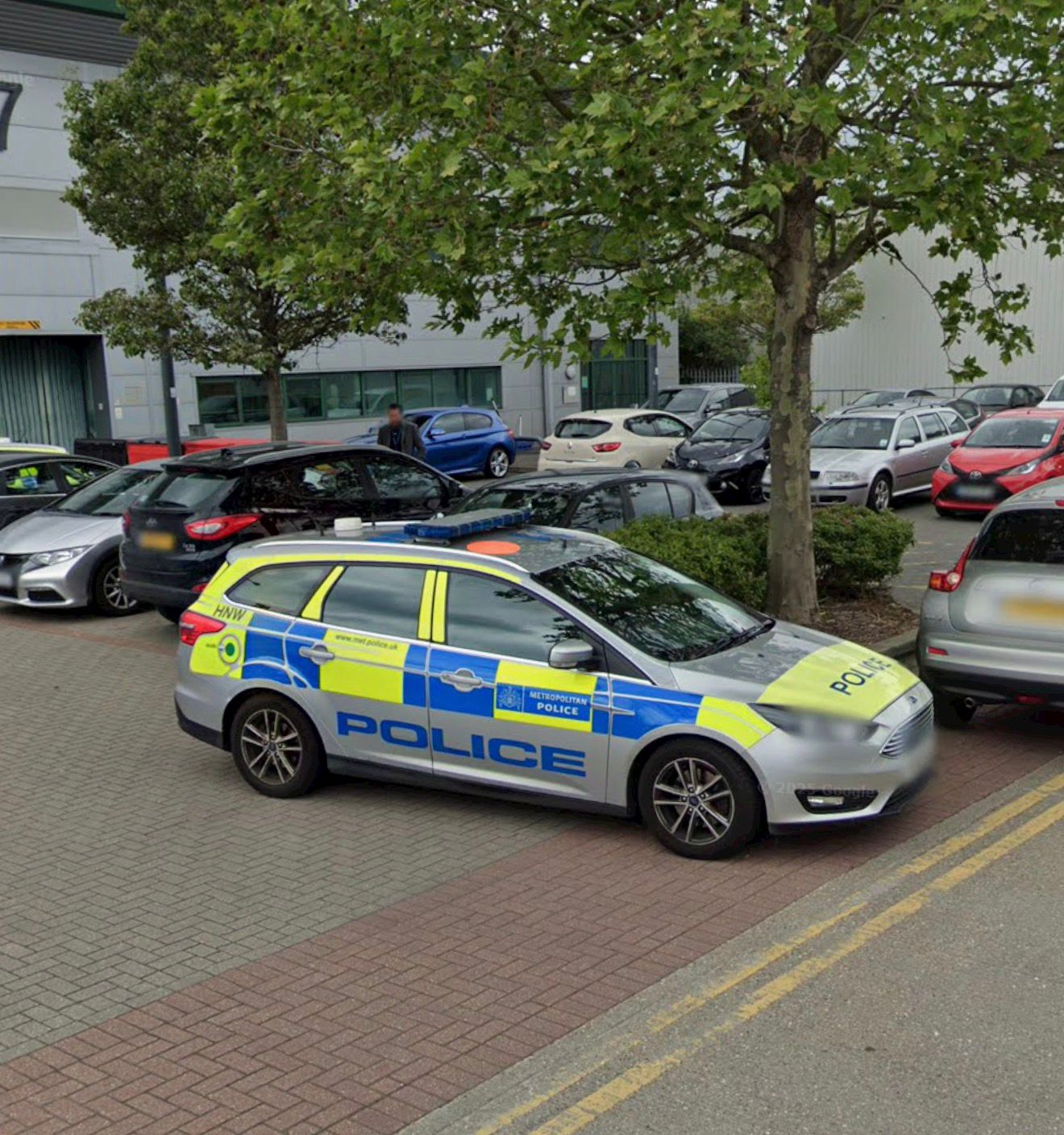
google street view

James Whitmore
Covers UK politics, government policy, and parliamentary affairs with a focus on accuracy, balance, and public accountability.
Add A Comment